

How to choose home finishes that flow through every room
Choosing home finishes that flow through every room isn’t as simple as picking favourites. When colours, textures, and styles clash, your home feels disjointed and overwhelming. At Home Inspiration & Design Centre, we guide you through creating a cohesive home palette, helping you make confident choices from flooring and tiles to paint colours and fixtures. Let’s simplify your selections and bring harmony to your whole-home finishes.
Creating a Cohesive Home Palette
Harmonising Flooring and Tiles
Flooring and tiles are the foundation of your home's aesthetic. By finding a balance between these two elements, you can establish a consistent look throughout your space. Start by selecting a primary material or colour for your flooring. This could be anything from warm wood tones to sleek concrete surfaces. Once chosen, match your tiles to complement the flooring, ensuring they don't clash.
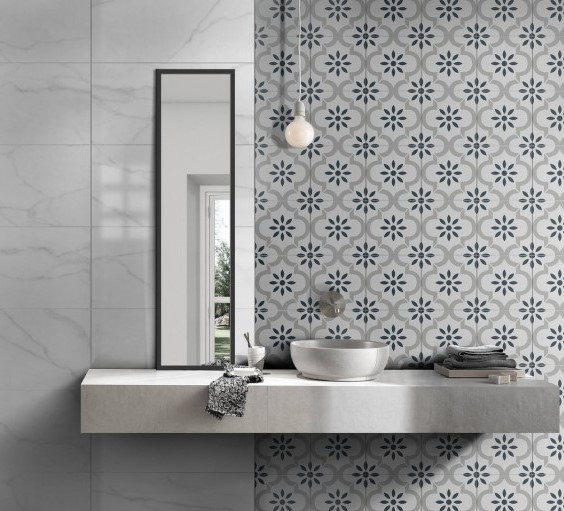
Consider tile placement: larger tiles can make spaces feel more expansive, while intricate patterns add character. Use tiles to define areas, like a kitchen backsplash or bathroom floor. Take samples of both flooring and tiles together to see them in different lighting. This will give you a clearer picture of how they work as a team. With a unified approach, your home will feel both stylish and connected.
Choosing Complementary Paint Colours
Paint colours set the mood for each room. To achieve harmony, pick a base colour that flows naturally with your flooring and tiles. Think about how different hues interact and how they change throughout the day. Lighter shades can open up a room, while deeper tones add coziness.
Use an accent wall to bring in personality without overwhelming. This could be a bold pop of colour or a subtle shift in shade. Keep a consistent palette by choosing three to five complementary colours. Test samples on your walls to see how they react with natural light. A thoughtful colour scheme ties your home together beautifully.
Coordinating Fixtures and Fittings
Fixtures and fittings are the finishing touches that unify your design. Begin with your style: modern, classic, or eclectic. This will guide your choices. Ensure that your fixtures, like taps and handles, match in terms of finish and design.
Chrome, brass, or matte black can each create a distinct look. Mix metals sparingly for a more eclectic feel. Pay attention to scale; oversized fixtures might overpower a small space, while too-small fittings can get lost. Align these details with other elements, like your lighting and cabinetry, for a seamless result.
Essential Elements of Design Flow
Consistent Cabinetry and Benchtops
Cabinetry and benchtops are key players in kitchen and bathroom design. To maintain flow, choose materials that echo your home's overall style. Wood cabinets pair beautifully with stone or quartz benchtops for a classic feel. For a modern touch, consider high-gloss finishes or concrete surfaces.
Keep cabinetry consistent across different rooms to tie the spaces together. Use similar handles or knobs to enhance this unity. This approach not only looks cohesive but also feels intentional, making your home inviting.
Selecting Tapware and Hardware
Tapware and hardware add detail and function. Start by picking finishes that suit your overall design. Whether you're drawn to polished nickel or brushed brass, consistency is crucial.
Match your tapware to other metal elements, like light fixtures or furniture legs. When selecting hardware, consider ergonomics as well as aesthetics. Comfort and ease of use add to the seamless experience of your home. By aligning these elements, you create a polished and professional look.
Crafting a Lighting Plan
Lighting can transform a space, highlighting its best features. Create a layered lighting plan that includes ambient, task, and accent lighting. This ensures functionality and ambiance.
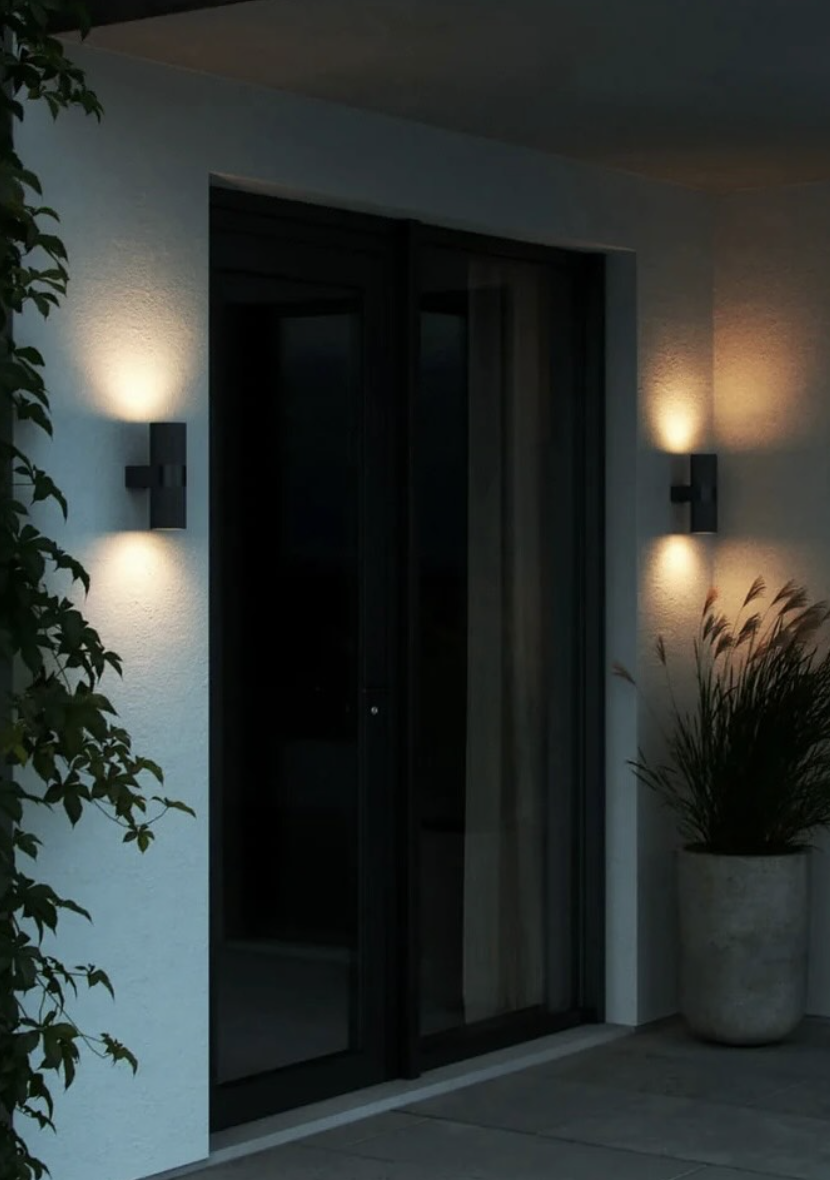
Choose fixtures that complement your home's style and other finishes. Pendant lights can make a statement, while recessed lights offer subtle illumination. Consider dimmers for flexibility. A thoughtful lighting plan enhances each room's purpose and mood, bringing warmth and clarity to your home.
Bringing It All Together
Using Sample Boards and Mood Boards
Sample boards and mood boards are invaluable tools for visualising your design. They allow you to see how different elements work together, making decision-making easier. Start by gathering samples of your chosen materials: flooring, tiles, paint, and fabrics.
Arrange them on a board to get a holistic view. Mood boards help convey the overall vibe you aim for, showcasing colours and textures. This visual representation ensures you're on the right track before any installations begin.
Developing a Finishes Schedule
A finishes schedule outlines every detail of your design plan. It keeps track of materials, colours, and suppliers. Begin by listing all rooms, then note each element's specifics, from flooring to fixtures. This document ensures nothing is overlooked and helps with budgeting.
Review your schedule regularly to accommodate any changes. Having a finishes schedule keeps your project organised and reduces stress, allowing for smoother progress.
Partnering with Local Suppliers and Experts
Working with local suppliers and experts offers numerous advantages. They provide insights into the best materials for your area and can suggest suitable alternatives if needed. Local partnerships often mean quicker service and delivery, keeping your project on track.
Engage with these professionals early in your planning process. Their expertise can guide you in making informed, confident decisions. By collaborating with trusted locals, you not only support your community but also gain peace of mind in your home renovation journey.
Frequently Asked Questions
How do I choose the right flooring for my home?
Consider your lifestyle, budget, and the room's purpose. For high-traffic areas, durable materials like hardwood or tile work well. Comfort and warmth are key for bedrooms and living spaces.
What are the best ways to match paint colours with tiles?
Start by picking a neutral base colour that complements your tile's tone. Use sample swatches to see how they look together in different lighting. Consider accent colours to add depth.
Why is it important to have a lighting plan?
A well-crafted lighting plan ensures proper illumination for tasks, enhances ambiance, and highlights design features. It balances natural and artificial light for a comfortable, inviting space.
How can I ensure my fixtures match my overall design?
Choose fixtures that reflect your style, whether modern or traditional. Keep finishes consistent across rooms for a unified look. Consider the size and scale to ensure balance in your space.
What should I include in a finishes schedule?
Include details like material types, colours, finishes, and suppliers. This organisation helps track progress, manage budgets, and ensure all elements come together cohesively.



Comments