

Mixing Textures and Finishes: Your Simple Guide to Cohesive Interiors
Mixing textures and finishes can make or break your room’s look, yet it often feels tricky to get right. You want your space to flow, but choosing between timber, stone, metal, or natural fibres can leave you second-guessing. This simple guide to cohesive interiors will help you layer textures and pick finishes that work together, so your home feels inviting and balanced from floor to ceiling. For more insights, check out this guide on mixing textures in interior design.
Creating Cohesive Interiors
Mastering Texture Layering
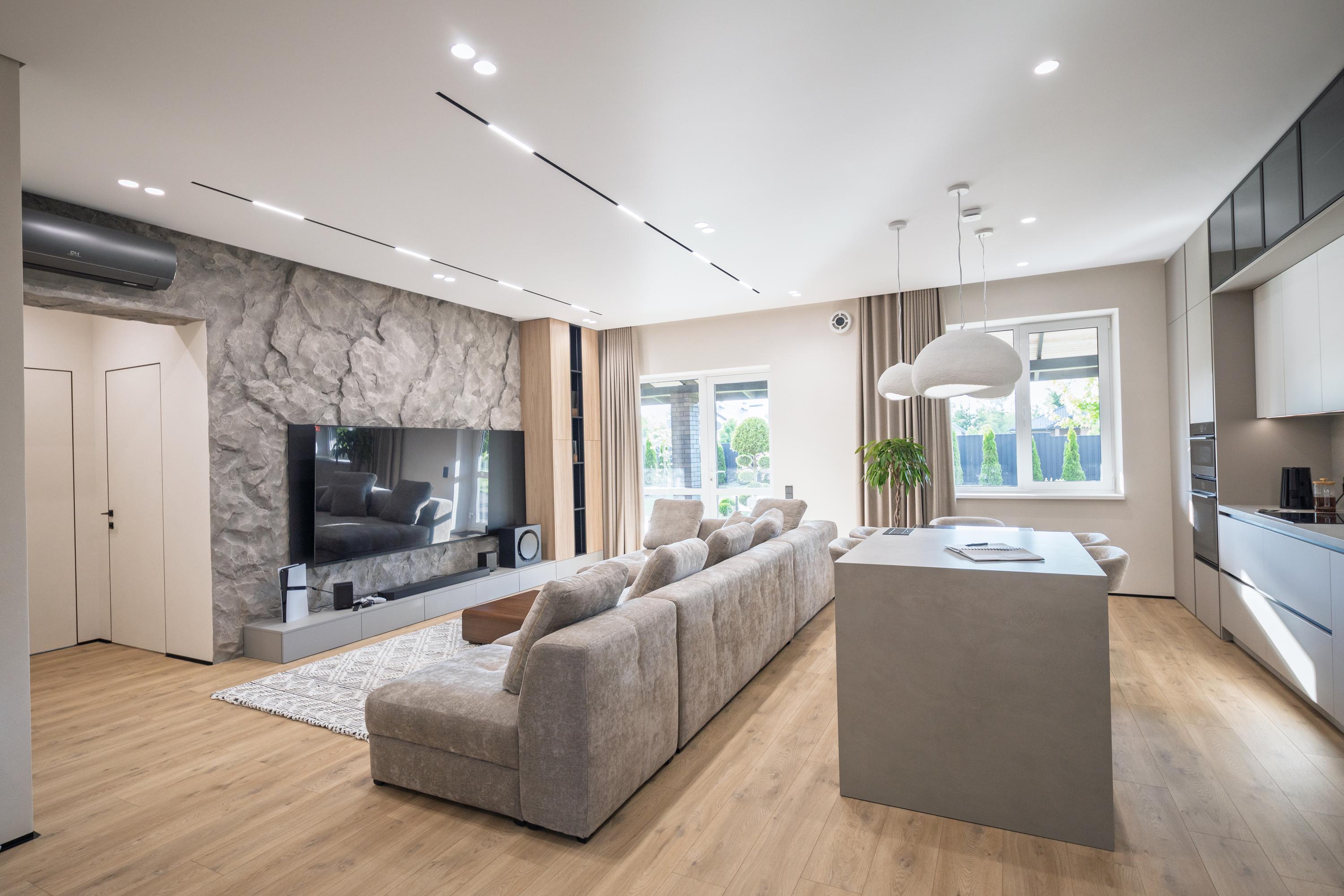
Layering textures in your home can elevate its style and make it feel more inviting. Start by understanding how different materials interact with each other. For example, a plush velvet against a rugged jute rug can create an appealing contrast. The key is finding the right balance. Use textures to add depth and interest without overwhelming the space. Consider how each element will contribute to the room's overall feel.
Incorporating a mix of textures doesn't mean chaos. It’s about creating harmony. Think about using three to four different textures in a room. This could be a mix of soft textiles, rough woods, and sleek metals. Use a dominant texture to set the tone, then layer in others to complement it. An easy way to start is by choosing one standout item, like a statement chair, and building from there.
Finish Selection Strategies
Choosing finishes is another crucial step in achieving cohesive interiors. Finishes can dramatically change the look and feel of a space. You might be drawn to a high-gloss finish for its modern appeal, but sometimes a matte finish can offer a more understated elegance.
Begin by considering the room's purpose. High-traffic areas might benefit from durable finishes, while more decorative spaces can experiment with gloss. A helpful tip is to keep a consistent rule with finishes: if your furniture is matte, perhaps opt for glossy accessories, and vice versa. Mixing finishes in this way creates a dynamic space that feels thoughtfully designed.
Mixing Textures and Finishes
Matte vs Gloss Decisions
Choosing between matte and gloss finishes can be a pivotal decision in your design process. Glossy surfaces reflect more light, which can make a space feel bigger and brighter. This is ideal for small rooms or areas with limited natural light. However, they can also show fingerprints and smudges more easily, which might be a consideration for busy households.
On the other hand, matte finishes offer a more subtle and sophisticated look. They can add warmth and texture to a space, making it feel more cozy and inviting. Matte is forgiving, hiding minor scratches and imperfections better than glossy finishes. This makes it a practical choice for families or high-use areas. Ultimately, the choice depends on the mood you want to create and the practical needs of your space.
Blending Timber, Stone, and Metal
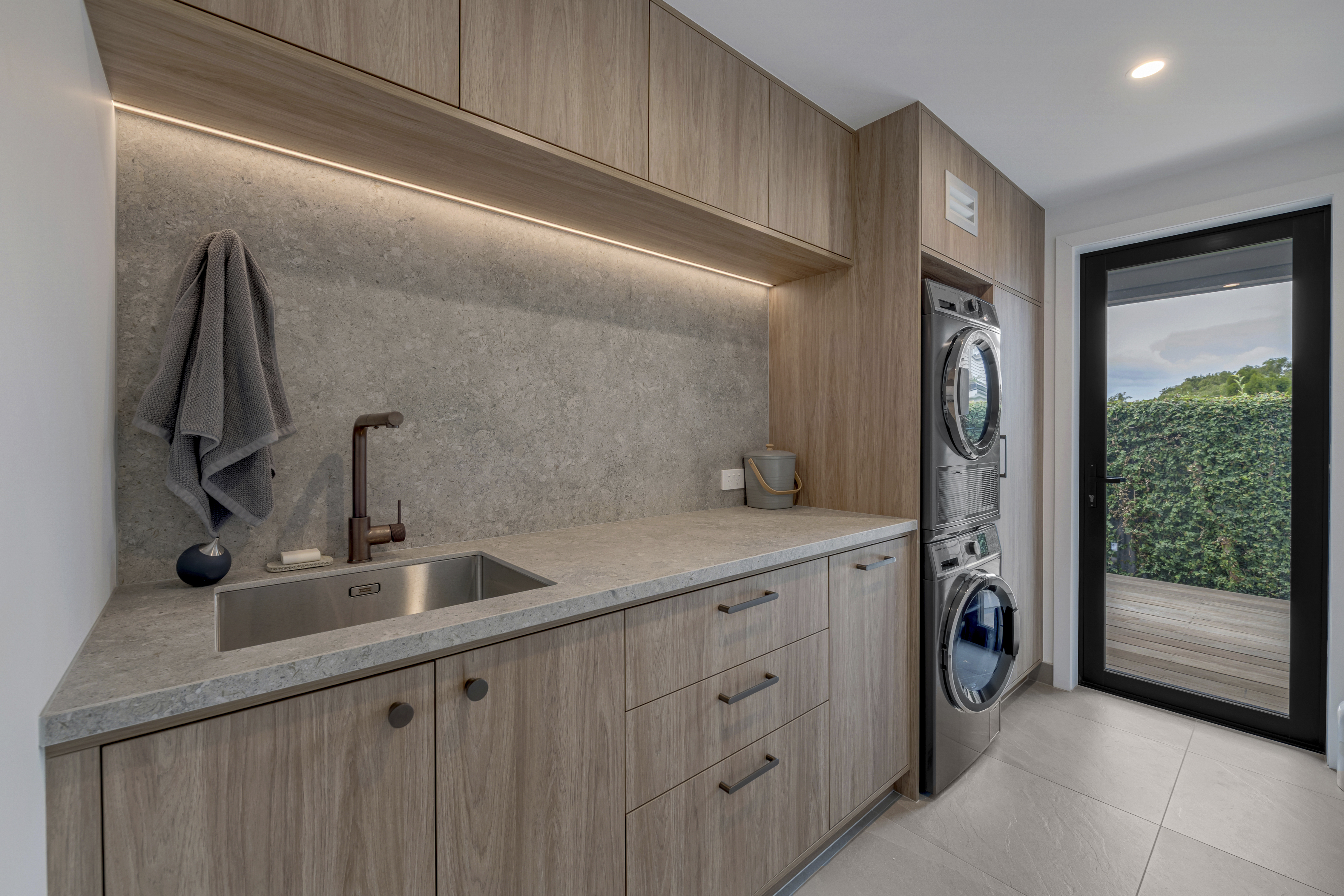
Blending materials like timber, stone, and metal can add richness and character to your interiors. Timber brings warmth and a touch of nature indoors. It pairs beautifully with stone, which adds an element of durability and elegance. Metal accents can introduce a modern edge, balancing the natural elements.
When mixing these materials, think about scale and proportion. A large timber dining table can be the focal point, complemented by smaller stone or metal accessories. Use materials in a way that enhances their natural beauty. For example, a stone benchtop can be highlighted with metal handles or light fixtures. Remember, the aim is to create a space where each material enhances the other, resulting in a cohesive look. For more tips, explore this resource on blending materials in home design.
Building Your Colour Palette
Crafting a Mood Board
A mood board is an essential tool in designing a cohesive interior. It helps you visualise how different elements will work together. Start by gathering inspiration from various sources like magazines, fabric swatches, or online platforms. This will give you an idea of the colours, textures, and finishes that appeal to you.
Once you have your inspiration, start arranging them on your board. Look for common themes or colours that stand out. This will guide your colour palette and help you make decisions on materials and finishes. A mood board is a great way to test your ideas before committing to them in your space. It’s also a handy reference throughout your design process, ensuring you stay on track with your vision.
Exploring the Sample Library
Exploring a sample library is another practical step in building your colour palette. By physically interacting with samples, you get a better sense of their texture and colour in different lighting. This can prevent costly mistakes and ensure your choices work together harmoniously. When visiting design centres like Franklin, take advantage of their sample libraries to compare options side by side.
Bring samples home and observe them at different times of the day. This will give you a realistic view of how they will look in your space. Use these samples to make informed decisions about which materials and colours will best bring your vision to life. For a deeper dive into creating cohesive interiors, you might find this article on designing cohesive home styles useful.
By mastering the art of mixing textures and finishes, you can transform any room into a cohesive and stylish space. Whether you're starting from scratch or updating an existing area, these tips will guide you to create a home that feels just right.



Comments