

The seamless home: how to choose finishes that work together room to room
Choosing home finishes that clash from room to room can turn your dream space into a patchwork of mismatched colours and textures. Getting a cohesive whole-home palette right brings calm and flow, making your home feel truly connected. In this guide, you’ll learn how to select finishes—from paint colours to cabinetry and tapware—that work together effortlessly, helping you create a harmonious finish schedule for your entire project.
Creating a Whole‑Home Palette
Understanding Cohesive Finishes
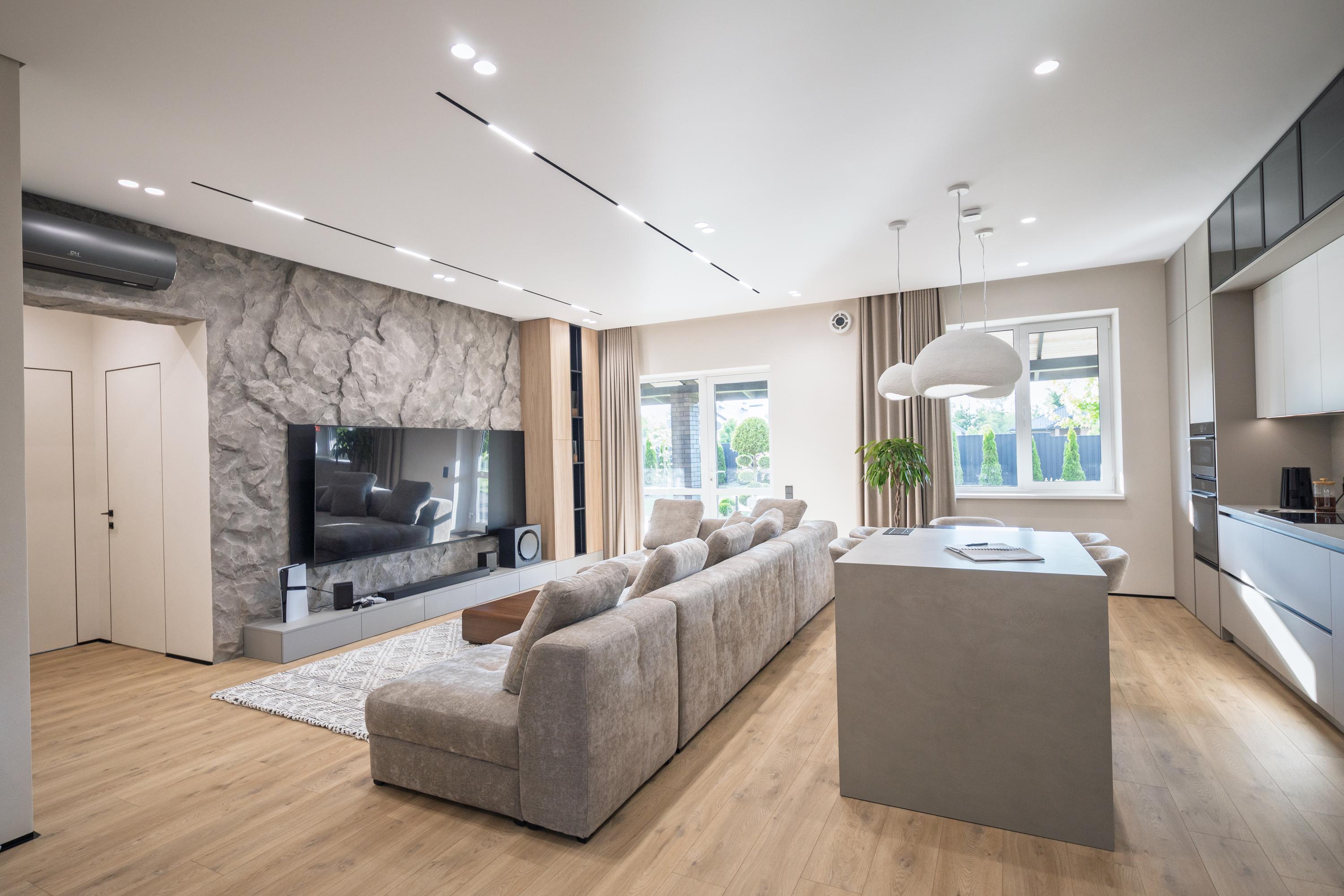
Creating a harmonious home relies on connecting each room. It’s like crafting a beautiful story where each chapter flows into the next. When selecting finishes, aim for a theme that ties everything together. This doesn't mean every room needs to look identical, but rather that there is a subtle thread linking them. You'll want to select elements that complement one another, ensuring your home looks and feels like a cohesive unit.
Choosing Paint Colours and Undertones
Selecting the right paint is crucial to setting the tone. Start by picking a base colour that resonates throughout your home. This could be a warm beige or a soft grey. These neutral tones create a canvas that complements various other shades. Keep in mind the undertones; these are the subtle hints of colour beneath the surface that can shift how a colour looks in different lighting. To be sure of your choice, test a small swatch on your wall. You'll see how it changes throughout the day with natural light.
Balancing Feature vs Foundation Colours
Feature colours add personality to your space. Think of a striking blue wall in the living room or a bold red accent in the kitchen. These colours should be used sparingly, as they draw attention. Meanwhile, foundation colours are the quiet heroes. They sit in the background, supporting the bold choices without clashing. When planning your palette, aim for a balance: one or two feature colours with softer foundation tones. This approach keeps your home both dynamic and inviting.
Coordinating Room‑to‑Room Finishes
Flooring Selection and Transitions
Flooring is the backbone of home design. It’s essential to choose materials that flow seamlessly from one room to the next. If you're using hardwood, consider keeping it consistent to avoid jarring transitions. However, if you love variety, use a transition strip to smooth the change between spaces. For example, you might opt for tiles in the kitchen that complement the wooden floors in the living area. This way, each room retains its character while still fitting into the overall scheme.
Tiles, Grout, and Stone Benchtops
Tiles and benchtops can be statement pieces. When selecting tiles, consider the size and finish. Smaller tiles can create a mosaic effect, while larger tiles offer a sleeker appearance. Grout colour also plays a role; a contrasting grout can highlight tile patterns, while a matching grout creates a seamless look. Stone benchtops, whether marble or granite, should echo the hues in your tiles for a harmonious feel. A well-coordinated kitchen or bathroom can elevate the entire home.
Cabinetry Finishes and Metal Details
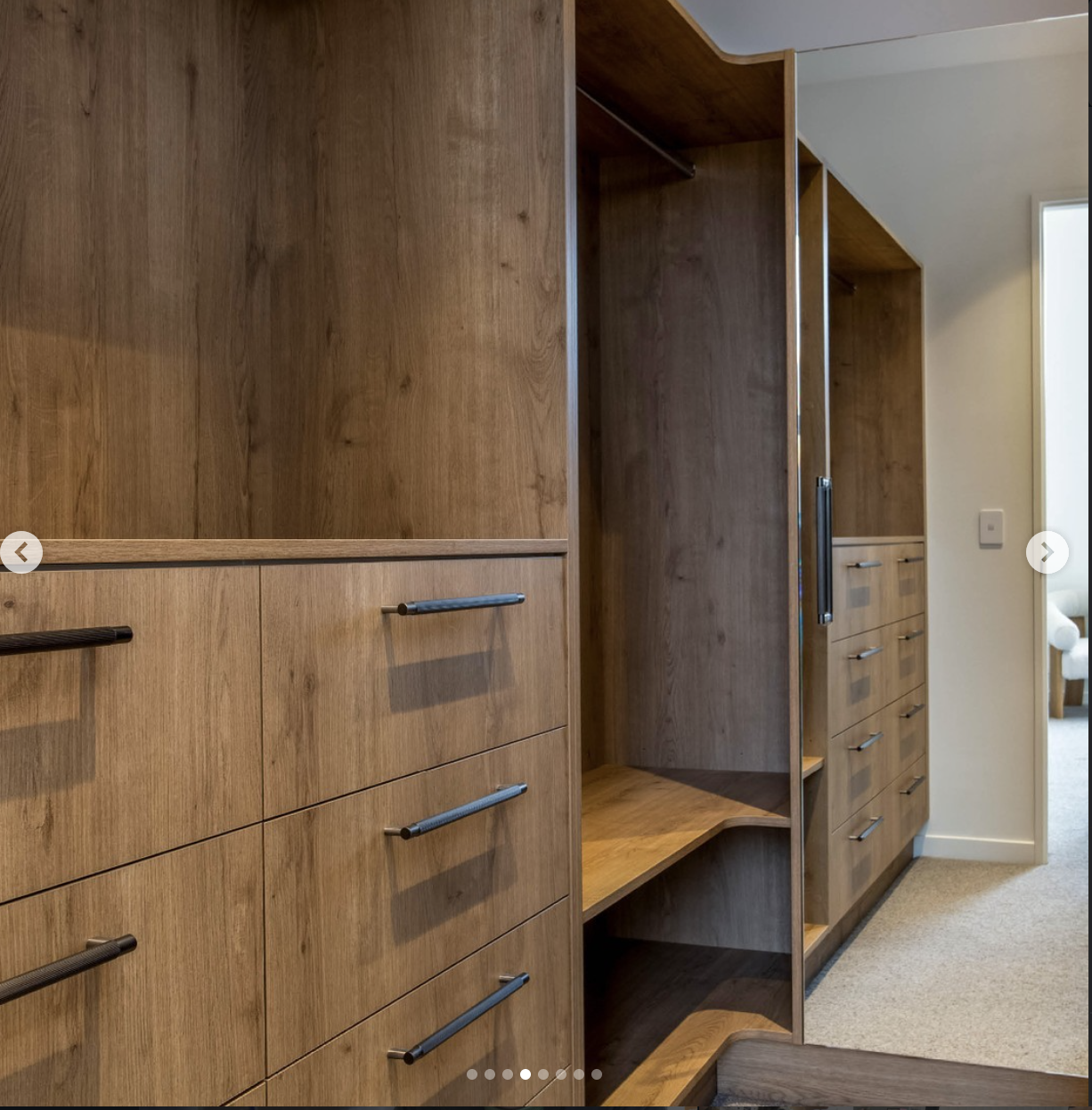
Your cabinetry and metal accents are the finishing touches. They need to complement not only each other but also the broader colour palette. Opt for wood finishes that match your flooring or contrast in a complementary way. Metal details like handles or tapware should echo the tones present in other accessories or fixtures. Brass, chrome, or black finishes can each bring a distinct feel, so choose what suits your style best. A consistent approach to these details can unify your home's design.
Designing with Confidence
Building a Sample and Mood Board
A mood board is your creative playground. Gather samples of your chosen colours, materials, and textures. Lay them out to see how they interact. This visual tool helps you spot any mismatches before committing. It’s an opportunity to experiment with combinations and make adjustments. Having a physical board or digital collage can guide your design decisions and ensure everything feels just right.
Scheduling a Design Consultation in Franklin
A design consultation can provide expert guidance tailored to your project. Meeting with a professional at the Home Inspiration & Design Centre can bring clarity and confidence. They can offer insights into current trends and practical advice on material choices. With their help, you can refine your vision and tackle challenges with ease. It’s a step towards ensuring your home is both beautiful and cohesive.
Connecting with Trusted Local Suppliers
Working with local suppliers ensures you have access to quality materials and reliable service. These connections can streamline your project, making it easier to source everything you need. Local experts understand the nuances of the area, offering products that suit local conditions and lifestyles. By choosing trusted suppliers, you gain peace of mind, knowing your home is in good hands.
Frequently Asked Questions
What is a cohesive home palette?
A cohesive home palette is a selection of finishes and colours that complement each other throughout the home, creating a seamless and connected look.
How do I choose the right paint undertones?
To choose the right paint undertones, consider the mood you want to set and test samples in various lighting. Undertones can shift the appearance of colours, so observe them throughout the day.
Why are transition strips important in flooring?
Transition strips are important because they provide a smooth change between different types of flooring, preventing jarring contrasts and ensuring a unified flow between rooms.
What should I consider when selecting grout colour?
When selecting grout colour, consider whether you want to highlight the tile pattern with a contrasting shade or create a seamless look with matching grout.
How can a mood board help in home design?
A mood board helps by allowing you to visualize and arrange samples of your chosen materials, ensuring that all elements work together before making final decisions.



Comments