

How to choose cohesive home finishes for a renovation
Choosing renovation finishes can feel overwhelming when every option pulls your attention in a different direction. You want cohesive home finishes that flow effortlessly from room to room, but it’s tricky to know where to start. This guide breaks down the process into simple steps, helping you build a colour palette and match materials with confidence. When you're ready, visit our life-sized showroom in Franklin to see real examples and meet local experts who make finish selections easy.
Start with a Whole-Home Palette
Creating a cohesive look starts with your colour palette. Think of it as the foundation, tying every room together with a common thread.
Lock in Base Neutrals and Accents
Start with the base colours. Neutrals like white or grey provide a calm backdrop. They work well with most styles and are easy to update with different accents. Once your neutrals are set, choose a few accent shades. These can be bold or subtle, depending on your taste. Use them sparingly across rooms to add interest without overwhelming the senses. Remember, accents work best when they pop against your neutrals, creating a balanced look.
Check Undertones in Daylight
The magic of a harmonious space lies in the undertones. These are the subtle hints of colour that can make or break your palette. Always check undertones in natural daylight, as artificial lighting can skew perception. Watch how your chosen colours look at different times of day. This helps avoid surprises once everything is in place. If you notice any clashing undertones, adjust your palette until everything feels just right.
Matching Finishes Across Rooms
Once your palette is set, it’s time to ensure consistency across spaces. This helps maintain flow and unity throughout your home.
Consistent Undertones in Surfaces
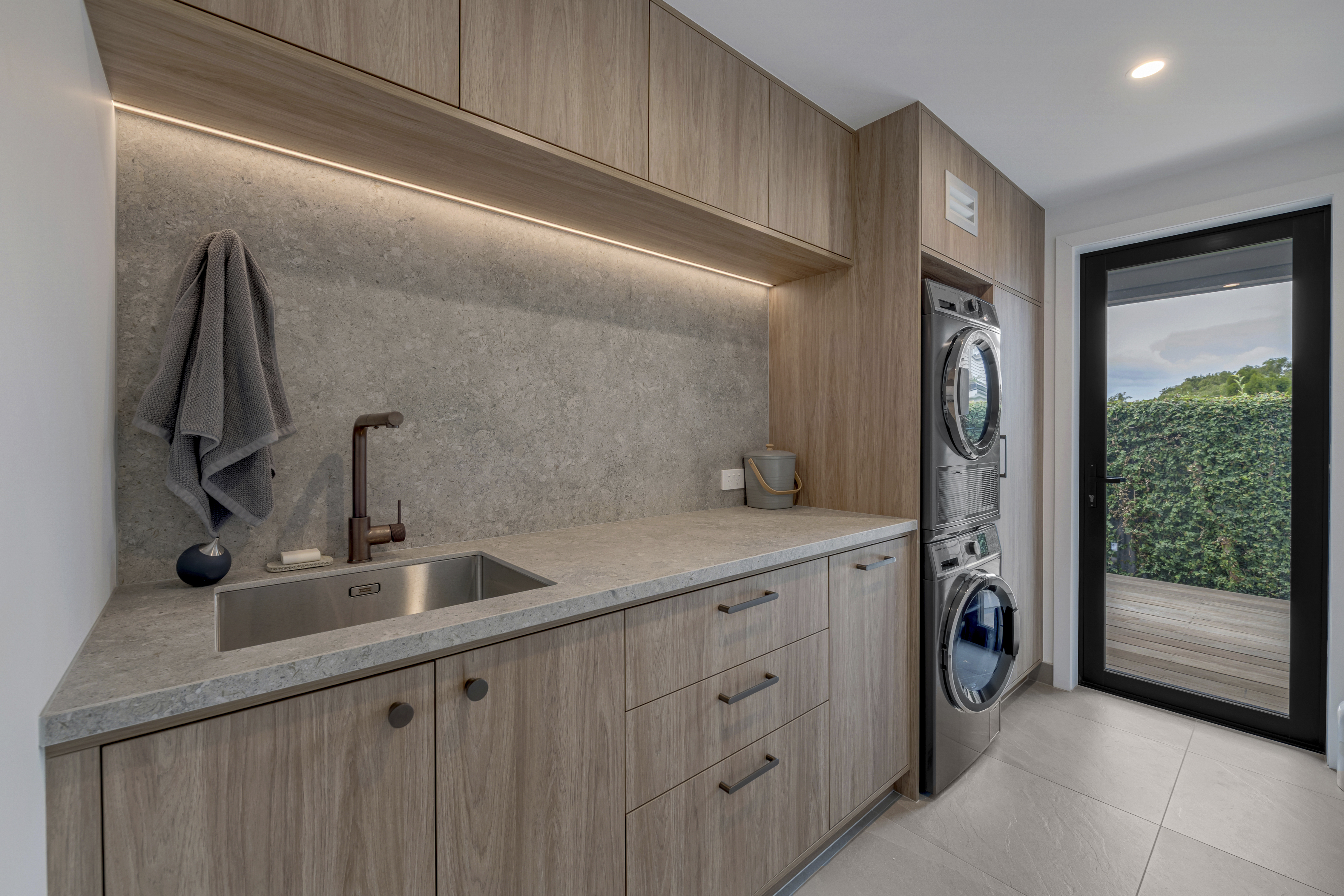
Surfaces such as countertops and cabinets should share similar undertones. This creates a subtle harmony that feels effortless. When surfaces match, your rooms will naturally flow into one another. Look at each surface under the same lighting to see how they interact. This way, you can spot any undertone discrepancies and fix them before committing to your selections.
Metals Made Easy: Warm or Cool
Metal finishes can be tricky. The key is to choose either warm or cool tones and stick with them. Warm metals like brass and gold add richness, while cool metals like chrome and nickel offer sleekness. Decide which vibe you want for your home and apply it consistently. Mixing too many metal tones can disrupt the overall feel. By keeping to one family, you’ll achieve a polished, cohesive look.
Flooring and Tile Strategies
Flooring and tiles are major elements that anchor your home's design. They need as much attention as your walls and accents.
Tone and Thresholds for Flooring Flow
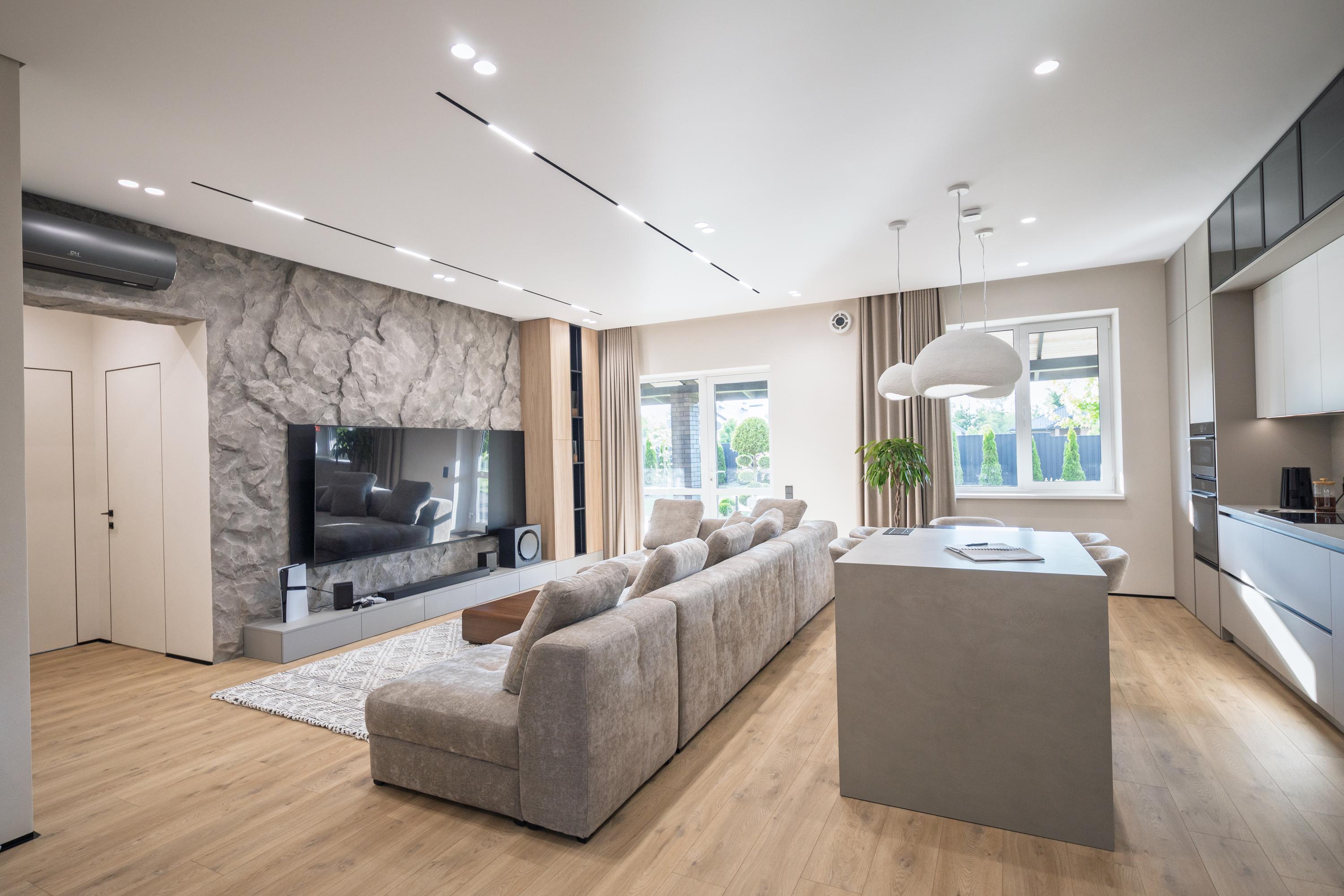
When selecting flooring, consider how the tone works in different rooms. Lighter tones can make spaces feel open, while darker shades add warmth and cosiness. Ensure the flooring transitions smoothly at thresholds between rooms. This keeps the visual flow seamless and reduces any jarring changes that might disrupt harmony. A consistent flooring tone helps stitch different areas into a unified whole.
Tile Patterns and Grout Choices
Tiles are more than just practical; they’re a great way to add pattern and texture. In bathrooms and kitchens, the right tile can be a standout feature. Pay attention to grout colours. Matching grout to tile creates a subtle look, while contrasting grout highlights the tile pattern. Choose carefully, as grout can change the entire feel of the space. With the right combination, your tiles will become a key element in your cohesive design.



Comments